










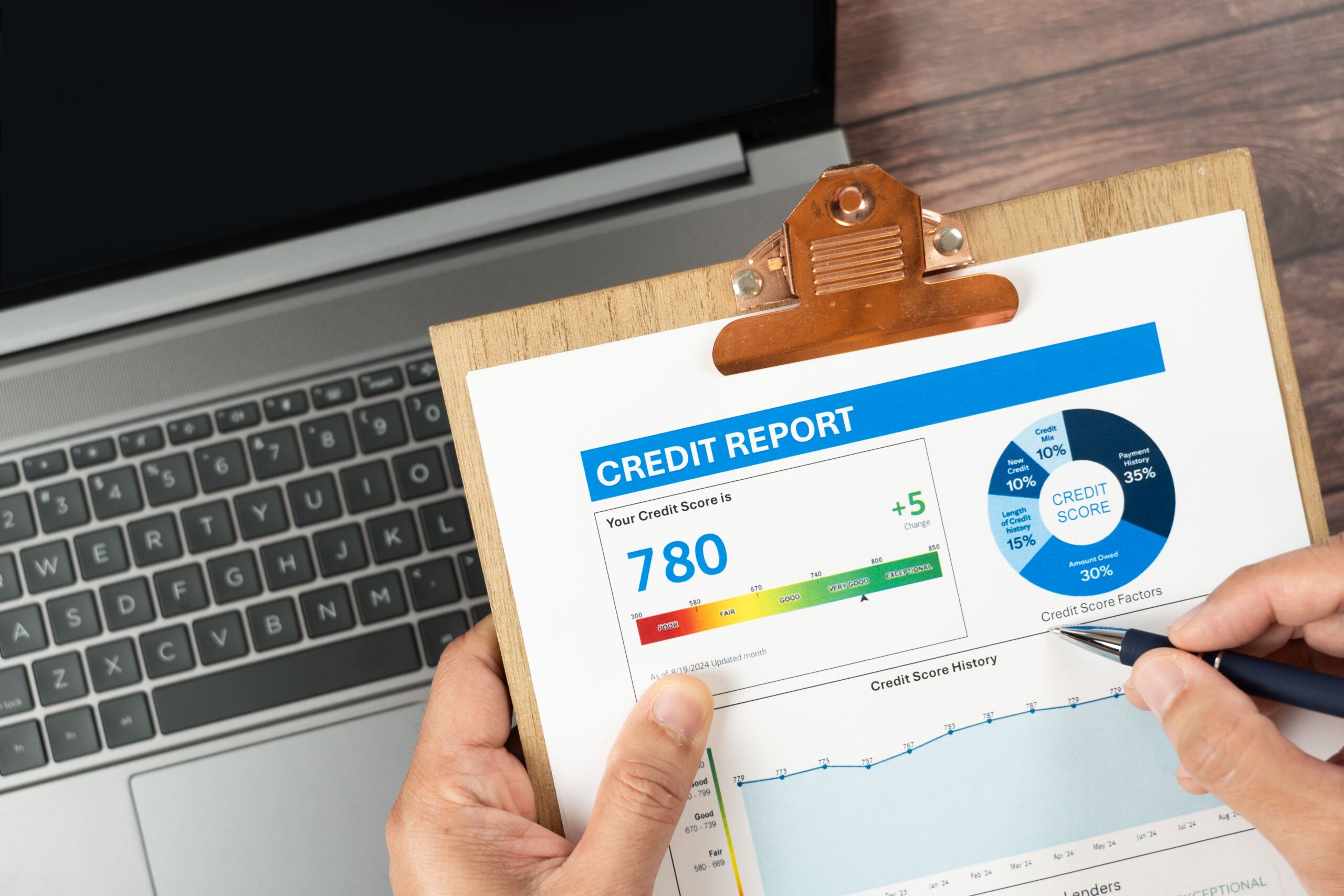
Credit reports are one of the most influential factors shaping how Australians engage with the financial system. They underpin decisions on everything from securing a home loan to obtaining a credit card or even leasing a car. Despite their importance, many people only encounter their credit report when applying for credit, often without fully understanding how it works or the weight it carries in financial planning. Within the broader scope of general Australian finance, credit reports function as both a record of past behaviour and a predictor of future reliability, making them a cornerstone of financial responsibility and decision-making.
Understanding What a Credit Report Is
At its core, a credit report is a detailed record compiled by credit reporting agencies that reflects an individual’s history of borrowing and repayment. It captures a person’s financial behaviour in relation to credit products such as loans, credit cards, and utility accounts. For Australians, agencies like Equifax, Experian, and illion are the main organisations maintaining these records. These reports provide lenders with a snapshot of how responsibly an individual has managed their obligations, helping them assess the level of risk involved in lending money.
A credit report typically contains information such as the types of credit previously held, repayment history, defaults, and even the number of times an individual has applied for credit. Each of these details paints a picture of how trustworthy someone might be when entering into a financial agreement. In general Australian finance, this data is critical not only for lenders but also for individuals who want to understand their financial health.
Why Credit Reports Matter in the Australian Financial System
Credit reports serve as the foundation for financial trust between individuals and institutions. In a system where borrowing plays a central role in achieving major life goals—such as buying a house, starting a business, or financing education—lenders must evaluate risk carefully. A credit report provides an objective measure that goes beyond personal assurances, ensuring that lending decisions are based on documented history rather than guesswork.
For everyday Australians, the importance of a credit report extends beyond simply gaining access to loans. It can affect the terms of the loan, such as the interest rate offered. A strong report can lead to lower borrowing costs, while a weaker report might result in higher rates or outright rejection. This dynamic means that credit reports are intertwined with affordability, accessibility, and long-term financial planning.
Credit Reports and Responsible Lending
Australian finance is shaped by a regulatory environment that prioritises responsible lending. Lenders are required by law to ensure that the loans they provide are suitable for the borrower’s circumstances. Credit reports play an essential role in this process by offering a clear, documented record of a person’s repayment history and financial commitments.
By examining a credit report, lenders can determine whether an applicant has demonstrated reliability in the past. This safeguards not only the institution providing the funds but also the borrower, who is protected from taking on financial commitments that may be unmanageable. Without credit reports, the financial system would lack a consistent standard for assessing risk, leading to potentially unsustainable lending practices.
The Impact of Credit Reports on Major Financial Decisions
When Australians plan major financial steps, their credit report often becomes the deciding factor. Purchasing a home, for example, usually involves securing a mortgage, which requires a careful assessment of creditworthiness. Even if a borrower has a high income, a poor credit report can hinder their chances of obtaining approval or limit them to less favourable loan conditions.
Similarly, when applying for personal loans or credit cards, the strength of the credit report can determine the size of the credit limit, the interest rate, and even the fees charged. For small business owners, credit reports can influence their ability to secure funding to grow or sustain operations. Beyond borrowing, credit reports can also affect applications for rental properties, as landlords may use them to gauge a tenant’s reliability in meeting financial commitments.
How Credit Reports Influence Financial Behaviour
Knowing that financial behaviour is tracked through credit reports often encourages individuals to adopt more disciplined habits. The awareness that late payments, defaults, or frequent credit applications can negatively affect future opportunities serves as a motivator for Australians to manage their obligations carefully.
For instance, keeping up with timely payments, limiting unnecessary debt, and monitoring accounts regularly can contribute to a positive credit history. This behavioural shift has ripple effects throughout the broader financial system, as responsible individual practices collectively support the stability of lending institutions and the economy at large.
The Evolution of Credit Reporting in Australia
Credit reporting in Australia has evolved significantly in recent years. The introduction of comprehensive credit reporting (CCR) has shifted the focus from only negative information, such as defaults, to include positive data, such as timely repayments. This change has provided a more balanced and accurate representation of financial behaviour.
For consumers, CCR offers an opportunity to demonstrate reliability and benefit from better financial products even if they have had difficulties in the past. For lenders, the availability of more detailed data enhances the ability to assess applicants fairly and offer products suited to their profile. The move towards comprehensive reporting has marked a significant step forward in the maturity of general Australian finance.
Challenges Associated with Credit Reports
While credit reports are invaluable tools, they are not without challenges. Errors can occasionally occur, such as incorrect listings of defaults or inaccuracies in repayment history. These errors can have serious consequences for individuals seeking credit, sometimes resulting in declined applications or higher borrowing costs.
Another challenge lies in the lack of awareness among Australians about how credit reports work. Many people do not regularly check their reports, missing the chance to correct errors or improve their standing before applying for major financial products. This gap in knowledge highlights the need for greater financial education and proactive engagement with credit history.
Credit Reports and Long-Term Financial Wellbeing
Managing a credit report effectively is not just about improving chances of approval for loans; it is about building long-term financial wellbeing. A strong credit history provides flexibility and security, allowing individuals to navigate life’s financial milestones with greater confidence. Whether planning for retirement, investing in property, or funding education, the ability to access credit on favourable terms can significantly influence outcomes.
Moreover, credit reports intersect with broader financial habits. People who maintain healthy credit histories often also engage in other responsible practices such as budgeting, saving, and investing. In this way, credit reports serve as both a reflection of past decisions and a tool for shaping a more secure financial future.
The Role of Education in Understanding Credit Reports
Financial literacy plays a central role in ensuring that Australians can make the most of their credit reports. Understanding how reports are compiled, what information is included, and how behaviour influences the outcome is crucial. Schools, workplaces, and community programs increasingly recognise the importance of integrating financial education, including credit awareness, into their initiatives.
With greater knowledge, individuals are more likely to adopt proactive strategies such as checking their credit reports annually, disputing errors promptly, and managing repayments responsibly. This, in turn, strengthens the overall financial ecosystem by reducing default rates and fostering trust between lenders and borrowers.
Looking Ahead: The Future of Credit Reporting in Australia
The role of credit reports in Australian finance will likely expand as technology and regulation continue to evolve. Digital tools now make it easier for individuals to monitor their reports, track their scores, and understand the impact of their financial decisions in real time. As access improves, more Australians are expected to become active participants in managing their credit history.
At the same time, regulators will continue to balance consumer protection with the needs of lenders. Ensuring accuracy, transparency, and fairness will remain central to the credibility of the credit reporting system. The combination of technological innovation and robust regulation promises to make credit reports even more effective in shaping financial behaviour and opportunity.